During the practice of UNIT 1, I gained a considerable amount of knowledge and skills. Not only did I acquire a profound understanding of animation performance, but I also delved deep into the realm of motion design and many other related aspects. I explored various techniques and methods in animation performance, learning how to bring characters to life with vivid expressions and fluid movements. In the field of motion design, I learned the art of creating dynamic and visually appealing sequences, trying to understand the principles of timing, rhythm, and visual storytelling.
In this post, I’ll walk through my process, and what I’ve learned, and reflect on how this method has shaped my creative practice.
Animation Principles
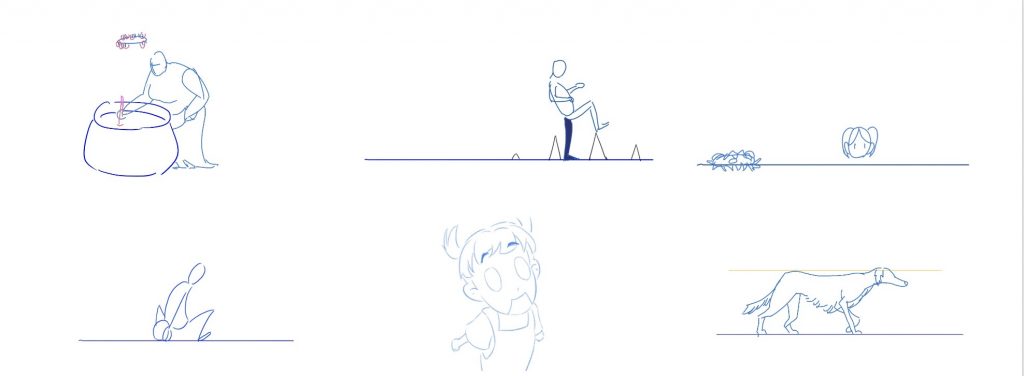
Exaggeration: Exaggerate characters/objects by squeezing, and stretching, to make characters and actions more visually appealing, expressive, and impactful, and to amplify emotions and personality traits
Live Action Video Supports: Imagination is not enough, the live action let me know more details of the performance, such as the speed change of timing and following through, the unsynchronised movement of different parts, the subtle change of expression and so on.
Quadruped Walk: If I hadn’t been observing dogs and cats walking to draw this, I probably wouldn’t have realised that they were same-side walking…
Passway
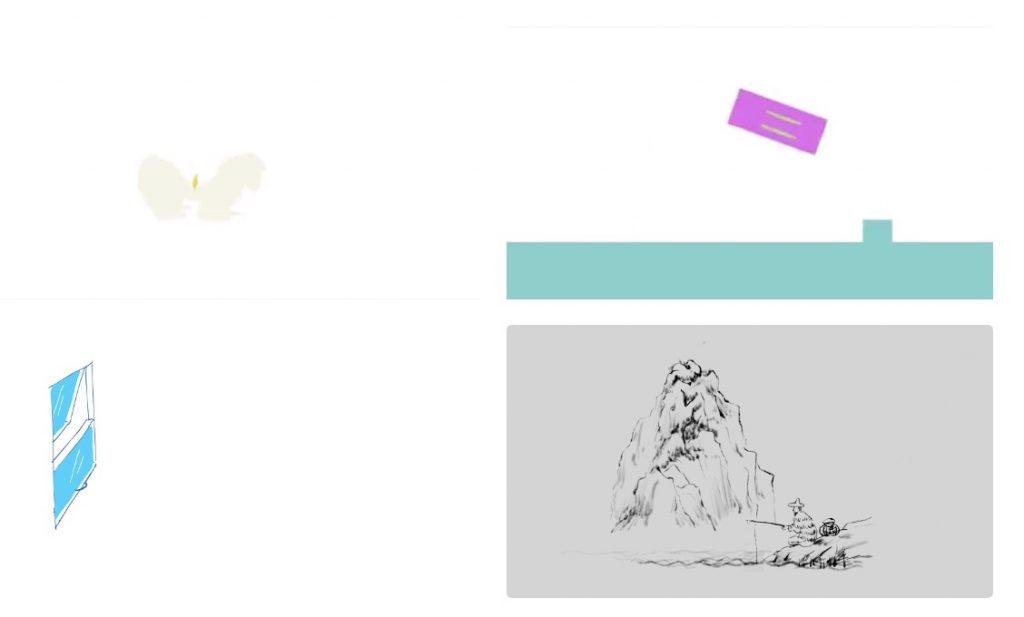
For the passkey, I chose the 2D.
I learned about software that I hadn’t come across before, such as blender and AN, which the course gave me an initial understanding of them, as well as software that I had used before, such as PS, AE, which I consolidated my existing knowledge while learning about tools that I had overlooked.
Character Design
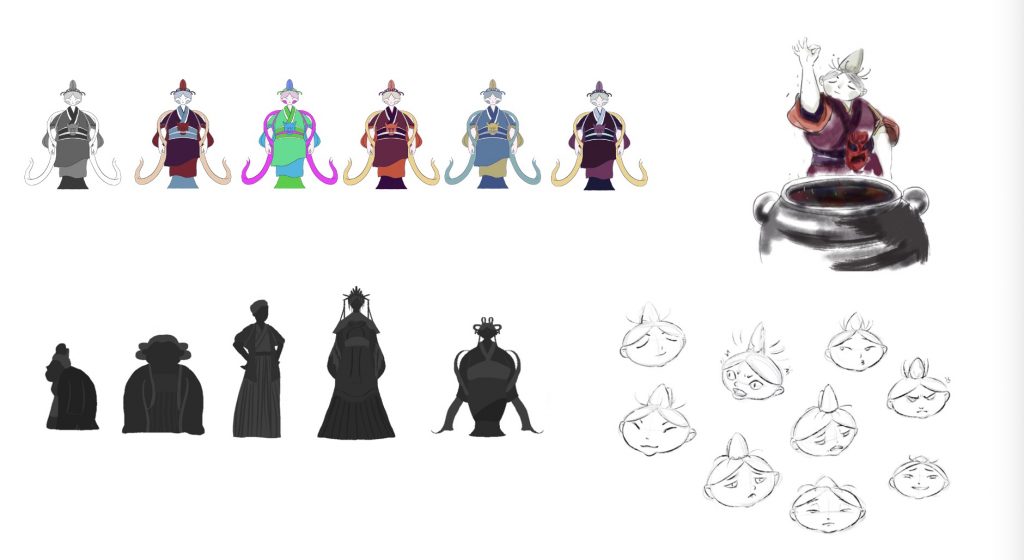
Character design isn’t just about making cool drawings—it’s about creating memorable, expressive characters. I learned that silhouettes matter, as strong designs should be recognizable even in shadow. Shape language affects personality—round shapes feel friendly, while sharp angles look aggressive. Color and contrast help characters stand out, and exaggeration makes them more dynamic. Most importantly, every detail, from clothing to posture, tells a story. Instead of just focusing on looks, I now think about how a character feels and what they communicate at a glance.
Conclusion
This practice-based research showed me the value of learning through doing. Experimentation helped me gain insights that theory alone couldn’t provide, improving my skills and creative approach. I’ll continue to refine my work and explore new ideas:D
Leave a Reply