What is ink animation?
Ink animation is a unique art style that combines traditional Chinese ink painting with modern animation techniques. It uses brushstrokes, different intensities of ink and empty spaces to create a calm and beautiful atmosphere. Due to the development of technology, ink animation can be divided into traditional celluloid ink animation and digital ink animation.
Technique
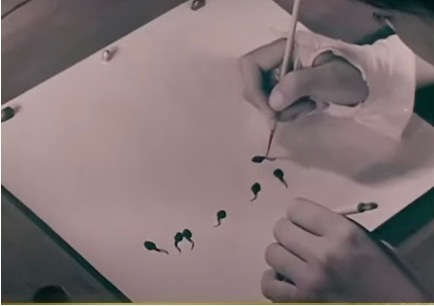
For the production technique of ink animation, it is neither frame-by-frame drawing on paper with a brush, nor like other 2D animations. In ink animation, each colour must be filmed separately and composited together during editing. This shrimp, for example, is divided into at least three layers.
So, making it takes so much time. The same film takes roughly three times more time to make than regular 2D animation, a fourteen-minute film took seventy animators six months to create.
The first ink animation – Tadpoles Searching for Mother
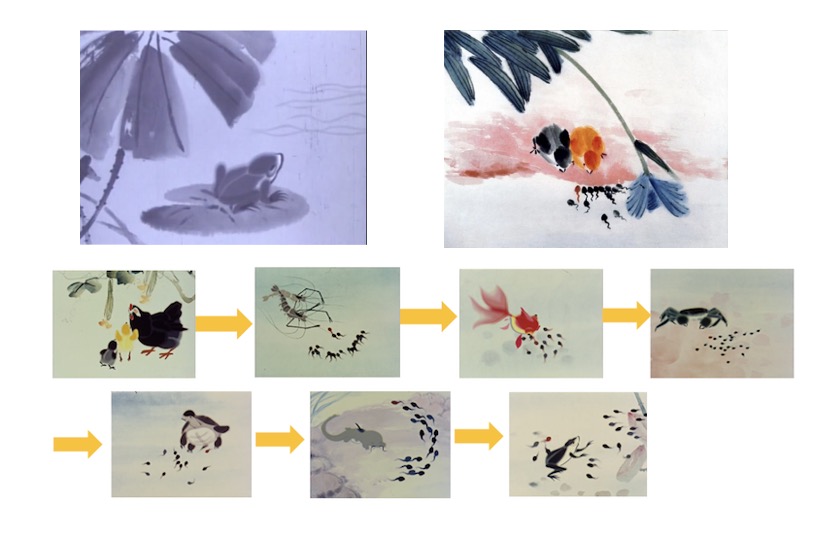
The initial inspiration for making animation is interesting. In 1945, Animator ADa (Xu Jingda) saw a shrimp painted by Qi Baishi at the bottom of a water basin. This inspired him to make ink paintings move! The studio manager, Tevye, was very interested in his idea, so the studio tried to create the first experimental animation – Froggy jumping in the water. After the Test’s success, they were divided into several groups to produce clips of tadpoles meeting different animals, so the first ink animation appeared. In addition, all the animals in the film are from the works of Qi Baishi, a great ink painting artist.
The Cowboy’s Flute
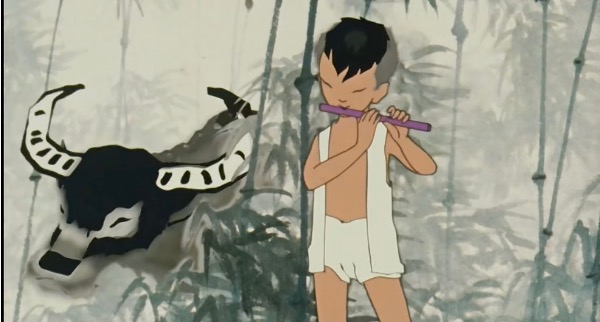
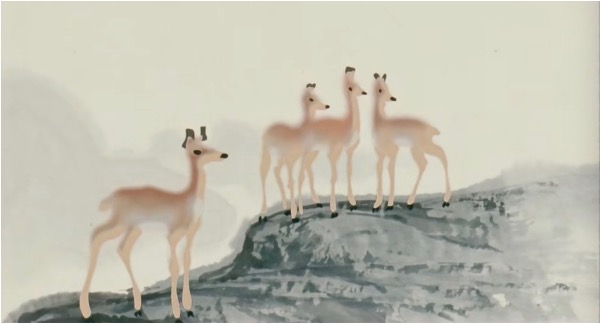
Editor Qiang Xiaobai thought that Tadpole’s Search for Mother was only about 80% complete in its ink animation skill and that the important technical innovations began with The Cowboy’s Flute (1963). Filmmakers have found that they can control the degree of blur of edges of objects by changing the focal length of the camera, thus simulating changes in ink intensity. This technology won the second prize for national scientific and technological invention and was classified as a confidential technology until 2011. It has a big influence on Chinese animation. We can see the structure and layers in the film got better.
Feeling From Mountain and Water
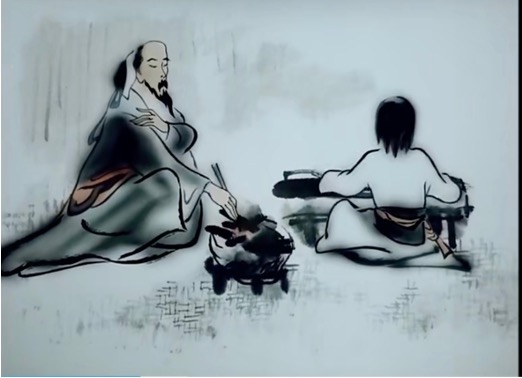
Feeling from Mountain and Water (1988) is a masterpiece of ink animation, which is recognised as an unsurpassed classic of ink animation. The film’s narrative is straightforward, but the images and emotions are very delicate. The film explores the relationship between people and art, how people and their friendships are built through art, and the relationship between art and nature. For technique, the cinematographer uses a different approach than traditional frame-by-frame shooting. Instead, they film scenes against the original background and combine them with the frame-by-frame animation. This method highlights the unique qualities of Chinese ink painting freshly.
Leave a Reply